5
November
2026
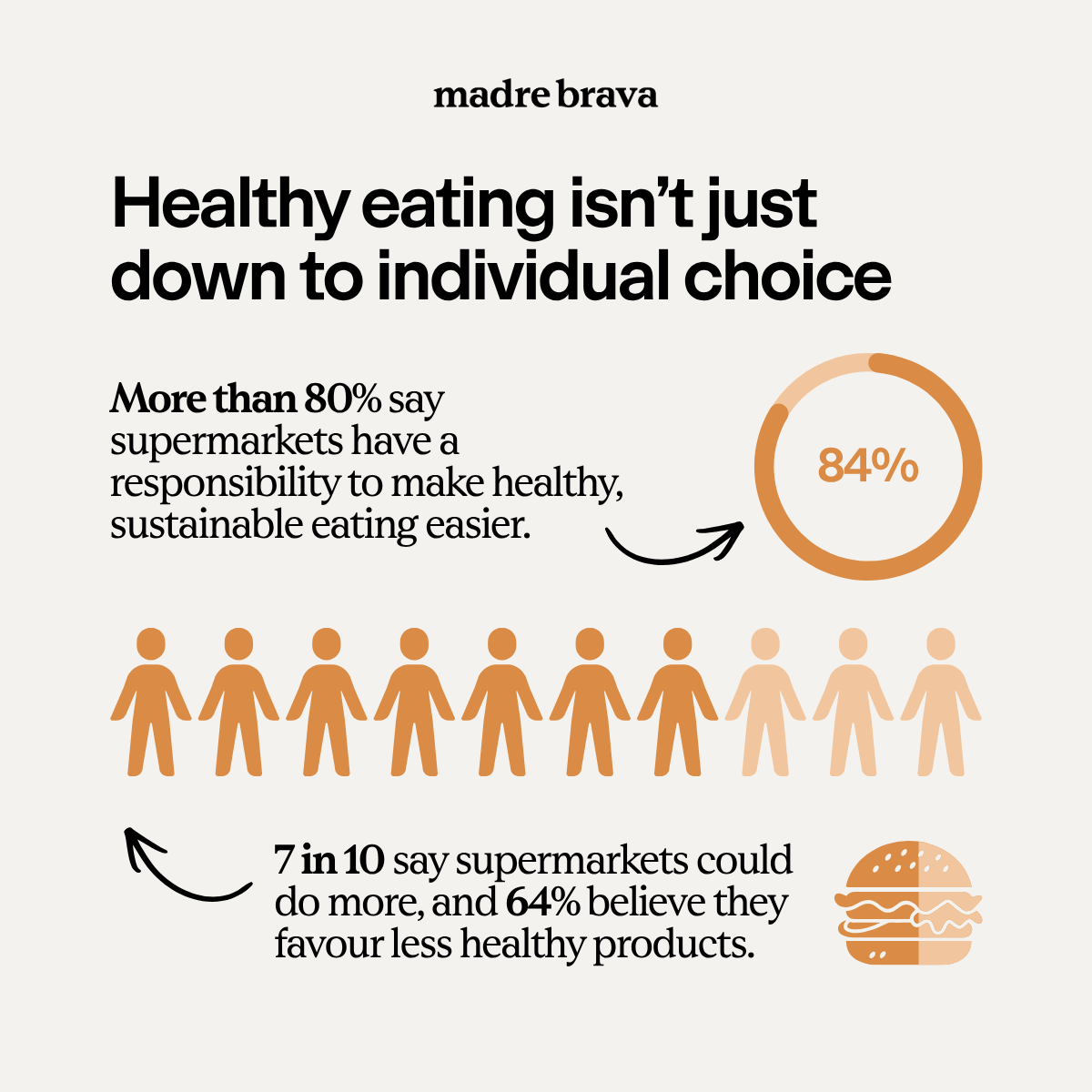
More than 80% of Spaniards think supermarkets have a responsibility to help them eat more healthily and sustainably, according to a new survey from More in Common for Madre Brava out today.
Supermarket responsibility is ranked close to consumer and food company responsibility for ensuring people eat well, sending a strong message to supermarkets that they have power and responsibility when it comes to shaping diets.
Our Spain Director, Zinnia Quirós, said: “As consumers, we are responsible for what we eat, but we know that this responsibility is shared. Supermarkets have enormous power to influence what ends up in our shopping basket, and this survey clearly shows that citizens feel they are not doing enough.
“To move toward a healthier and more sustainable diet, everyone must do their part, from their position and with the power they have to make a difference. And it is time for supermarkets to assume their share of responsibility.”
There was also widespread support for public measures to make healthy and sustainable food more accessible. Chief among these was the 82% of respondents who backed lowering taxes on foods like legumes and increasing the provision of plant-protein-rich meals in public canteens, such as schools, hospitals and other public institutions.
The survey also reveals supermarkets have an opportunity to improve their reputation for providing healthy food among Spaniards. Currently, 64% believe they favour the purchase of less healthy products, and six in ten think the same about less sustainable products.
Half of those polled have little or no trust in supermarkets when it comes to providing information on healthy and sustainable food.
Legumes - a tasty opportunity
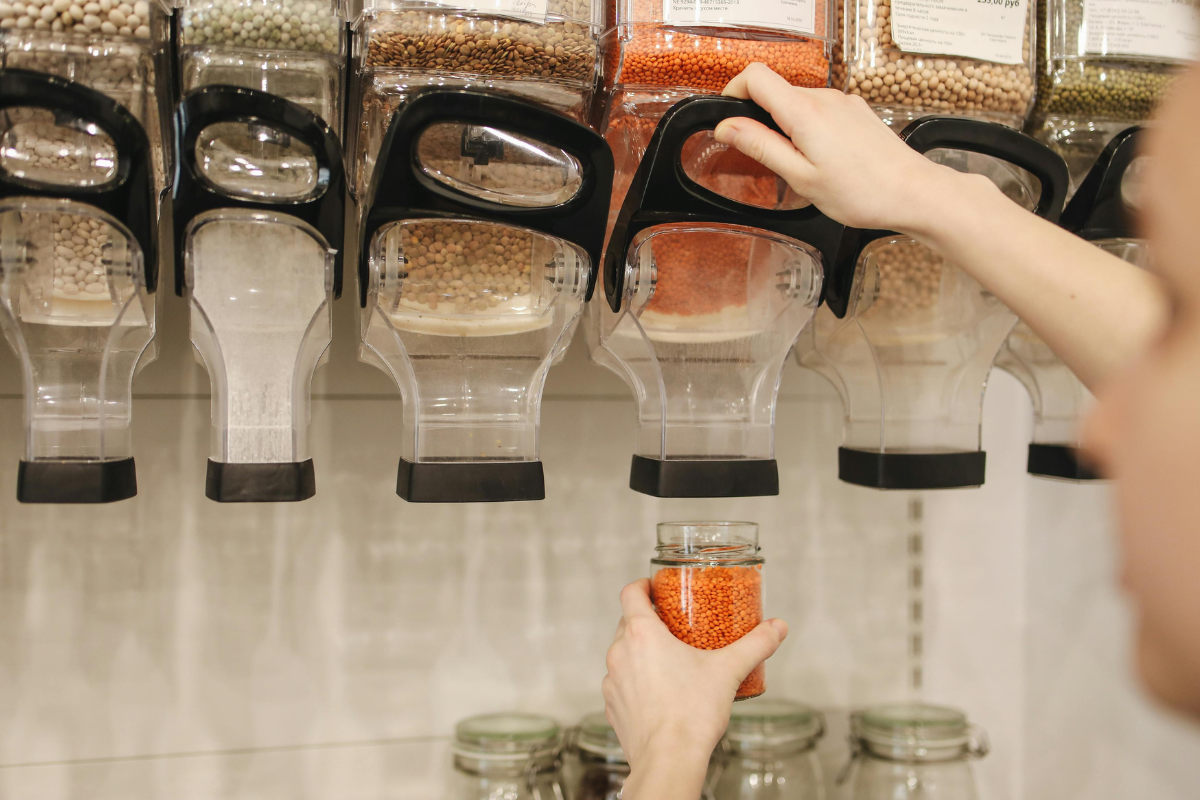
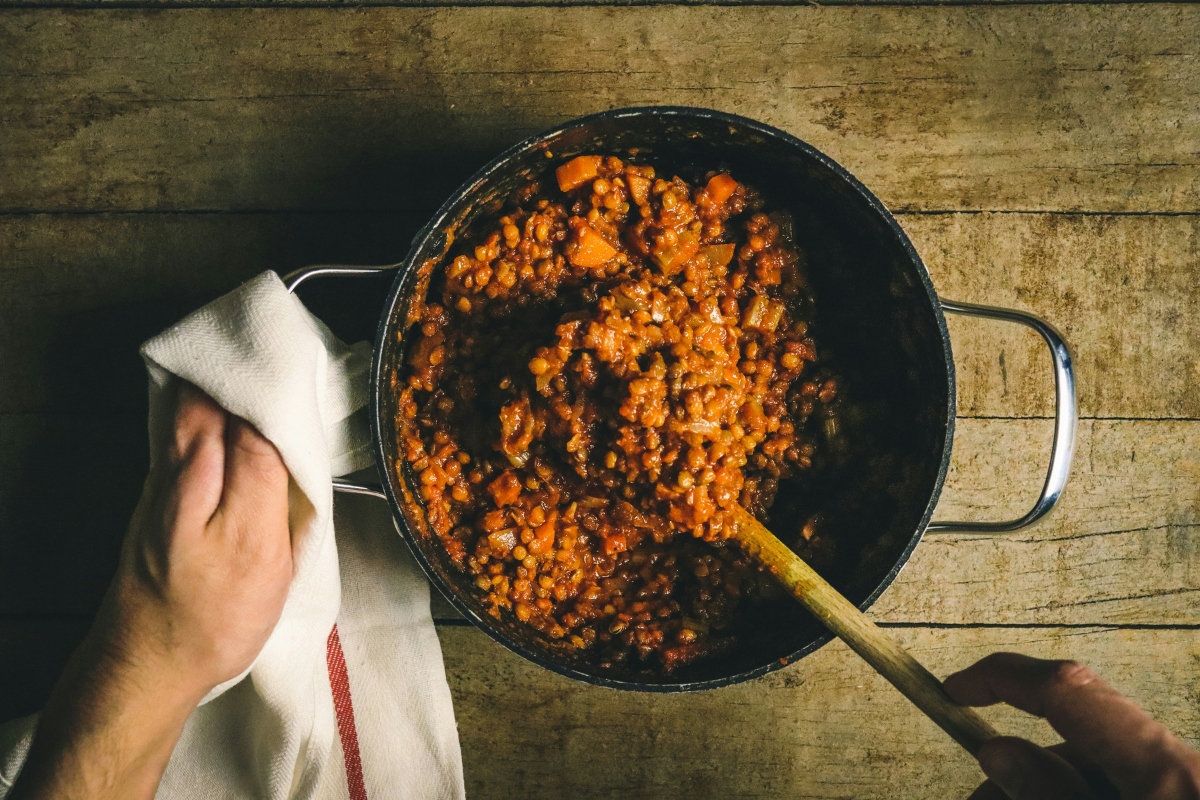
Another of the survey’s findings was that legumes remain a fundamental part of Spain’s culinary identity, with nearly 9 out of 10 households consuming them weekly and more than half several times a week. Furthermore, 40% of Spaniards want to eat more of them in the coming year.
This provides supermarkets with a clear opportunity to sell more healthy, sustainable food that is better for consumers’ wallets and supermarkets’ bottom lines.
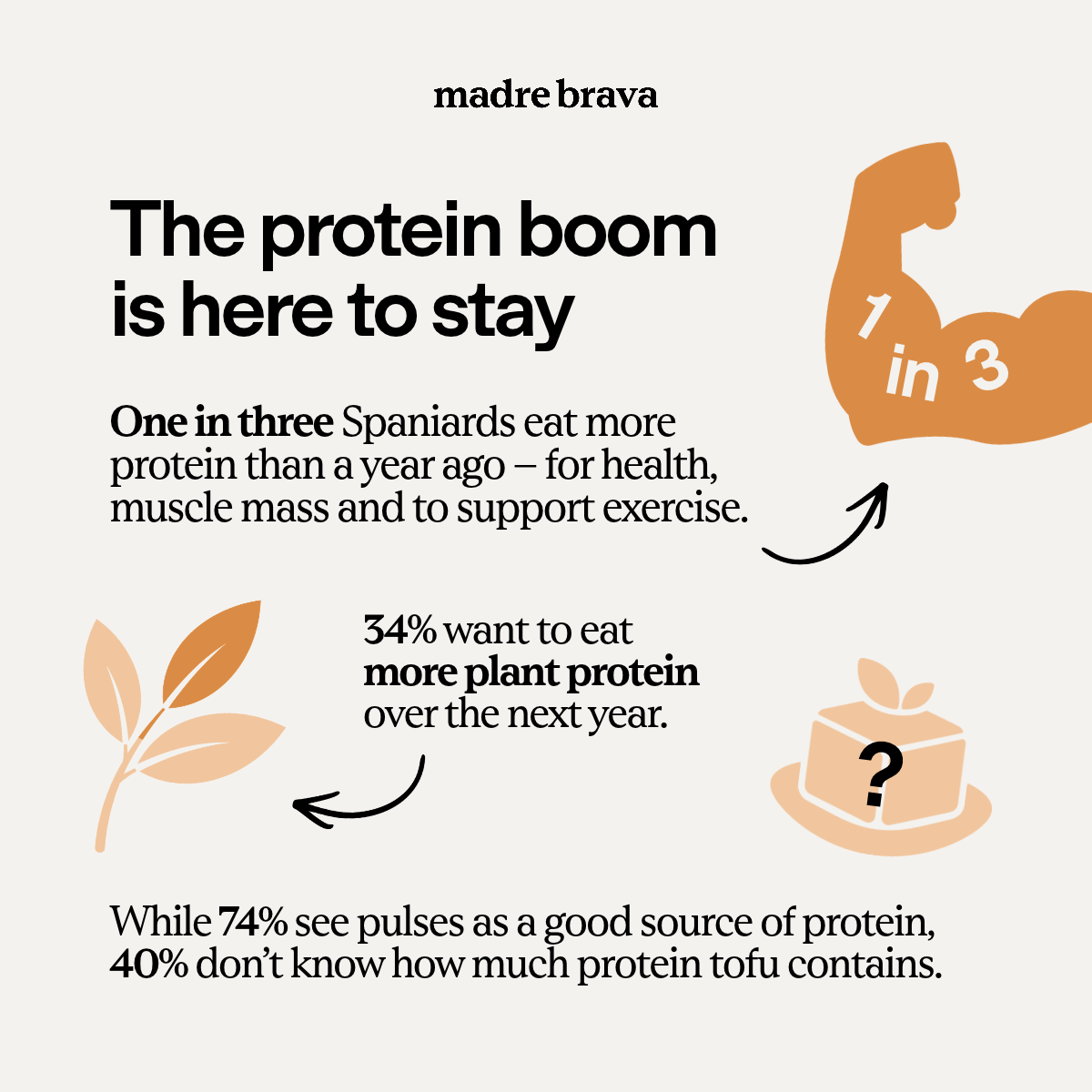
Zinnia added: “Legumes are part of our gastronomic culture, our way of cooking, and our understanding of food. They have always been present at our tables as a fundamental source of protein and today, against a backdrop of geopolitical tensions and rising meat prices, they gain even greater value as an affordable, healthy, and sustainable option.”
The poll also provided insights into attitudes to other, less familiar, plant-based proteins. Half of Spanish households never eat tofu, seitan, tempeh or textured soy protein and 40% of those surveyed were unaware of how much protein tofu provided.
These data reflect a lack of familiarity shoppers feel with those foods, rather than a rejection of them. This creates an opportunity for supermarkets to bring these foods closer to people by expanding their offerings, giving them greater visibility, improving access through more affordable prices and promotions, and offering simple ideas and recipes to help integrate them into daily meals.
Accessible plant proteins means a healthier, more sustainable diet
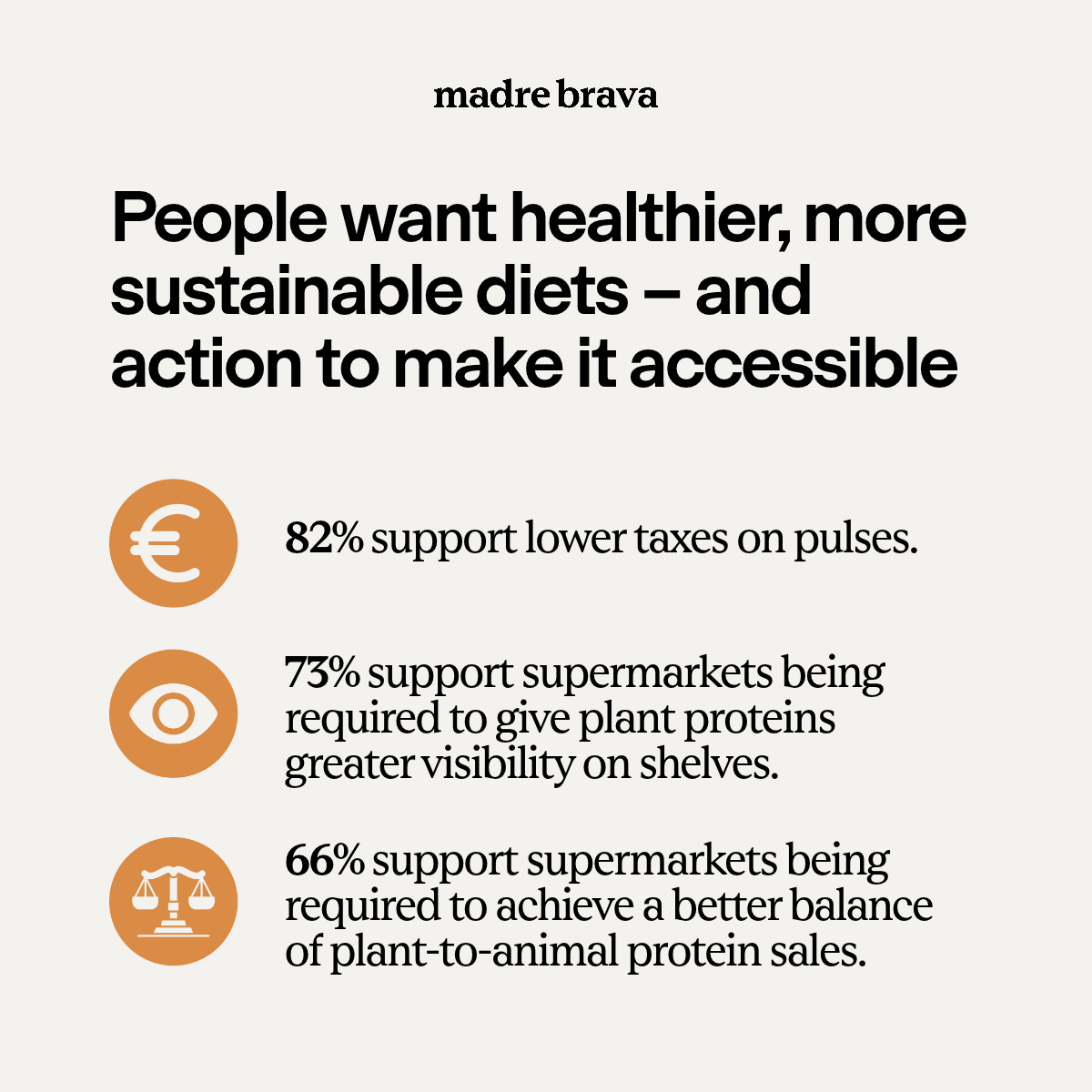
Zinnia added that the way was open to Spanish supermarkets to offer a more healthy and sustainable diet to their customers: “This survey tells us something important: people want a healthier and more sustainable diet and support taking action to make it possible.
“Supermarkets have a great opportunity to lead this change and respond to what society is asking of them. It is about giving plant proteins greater prominence and making their inclusion in our diet increasingly easy, accessible, and affordable for everyone.”
What should supermarkets do?
Madre Brava urges supermarkets to incorporate protein diversification into their climate strategies and set clear targets to rebalance the ratio of animal to plant-based protein sales. To drive this change, they need commercial strategies that highlight plant proteins, namely:
- A broader selection
- Affordable prices
- Promotions
- Greater visibility
- Communication campaigns encouraging their inclusion in daily diets.
The full polling results are available here.