3
November
2026
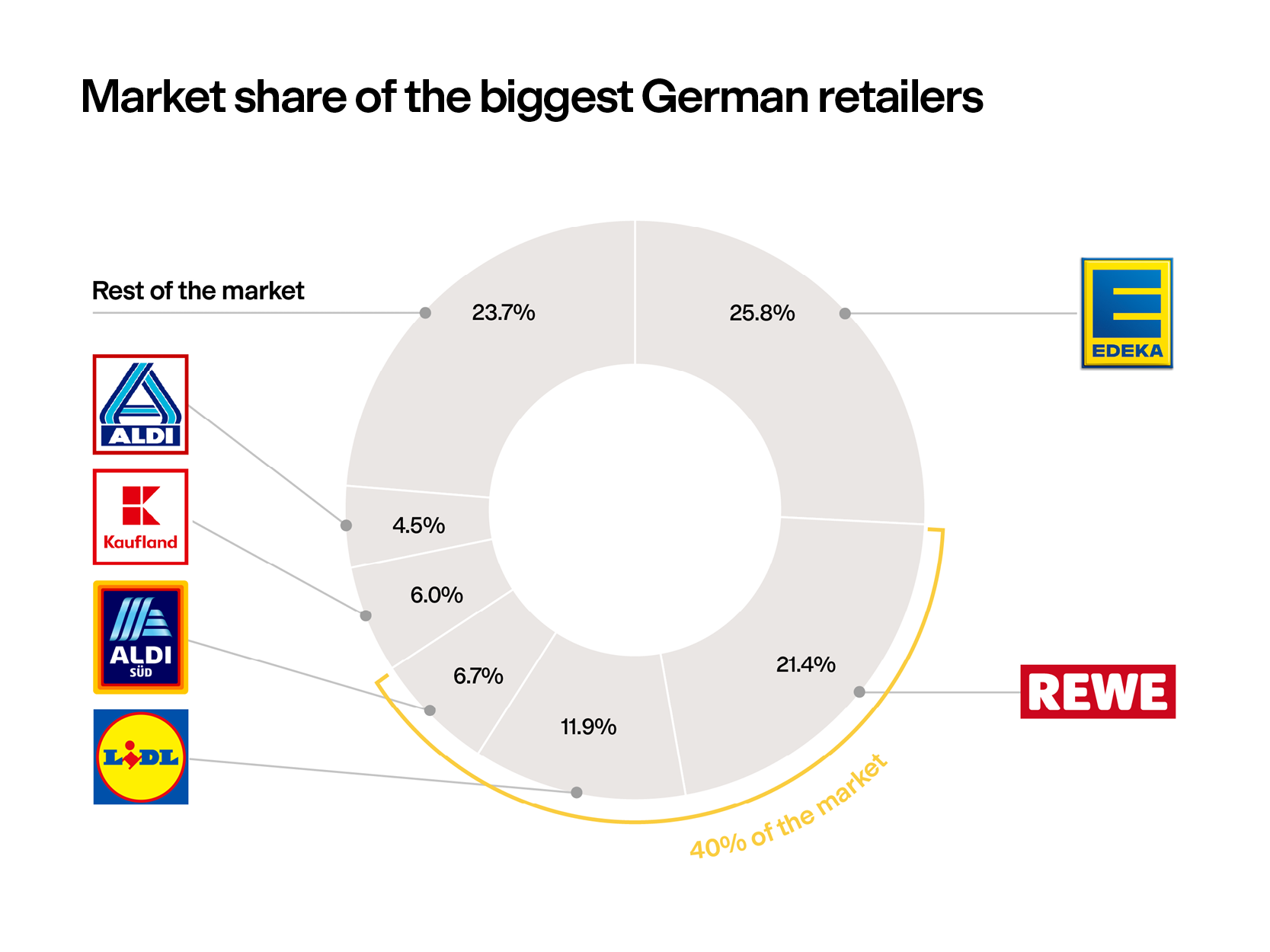
A new study from Madre Brava, WWF International and Sistemiq, shows Germany could reach a tipping point for healthy and sustainable diets 13 years earlier with 40% market ‘co-opetition’ than without.
The study, ‘Track it, Sync it, Win it: Racing towards plant-rich retail’ finds that with cooperation on standards, supply infrastructure, and joint category-level advertisement, supermarkets can shift the national diet - while still competing on price, quality and choice, making the healthy, sustainable option the easy one.
The gold standard that the study simulates adherence with is the Planetary Health Diet (PHD), a diet recommended by scientists for optimal human and planetary health.
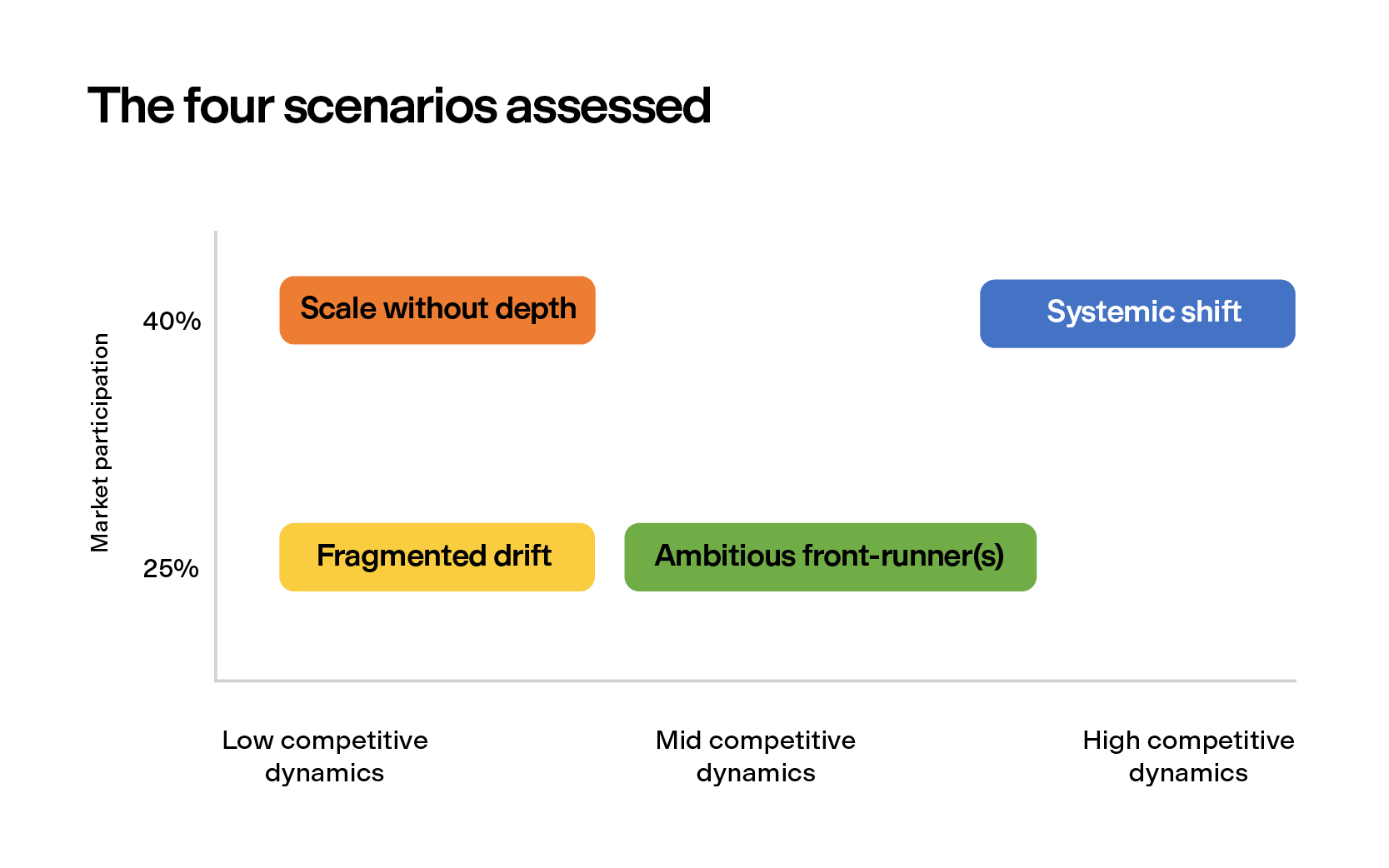
Track it, Sync it, Win it models four different scenarios of co-opetition between German supermarkets. The model then analyses how the scenarios influence consumer adoption rates for healthy and sustainable eating habits.
This allows for the visualisation of different rates of adoption curves for different food groups, such as protein-rich foods (animal and plant-based meats, legumes, nuts or seeds) and dairy foods (animal and plant-based milk and dairy).
The report highlights the need for retailers to hit plant to animal protein split targets - rebalancing the ratio of plant to animal proteins on the shelves - as a key measure.
All scenarios assessed contribute to some extent towards the adoption of PHD-aligned plant-to-animal splits. This means that, when 25 to 40% of the market implements between 19 and 30 enabling measures (such as joint advocacy on VAT equalisation), it is sufficient to positively influence the market’s PHD adoption rate.
But the scenarios differ substantially in how quickly this happens.
Madre Brava’s Germany Director, Moriz Möller, said: "The report shows that price, health and sustainability-conscious shoppers alike ought to push their supermarkets towards the adoption of PHD-aligned protein split targets."
Key findings at a glance
Tipping point: In the most ambitious scenario, the market reaches its tipping point towards the Planetary Health Diet as early as 2030, the point from which the shift becomes self-sustaining. In the weakest scenario, this only happens in 2043.
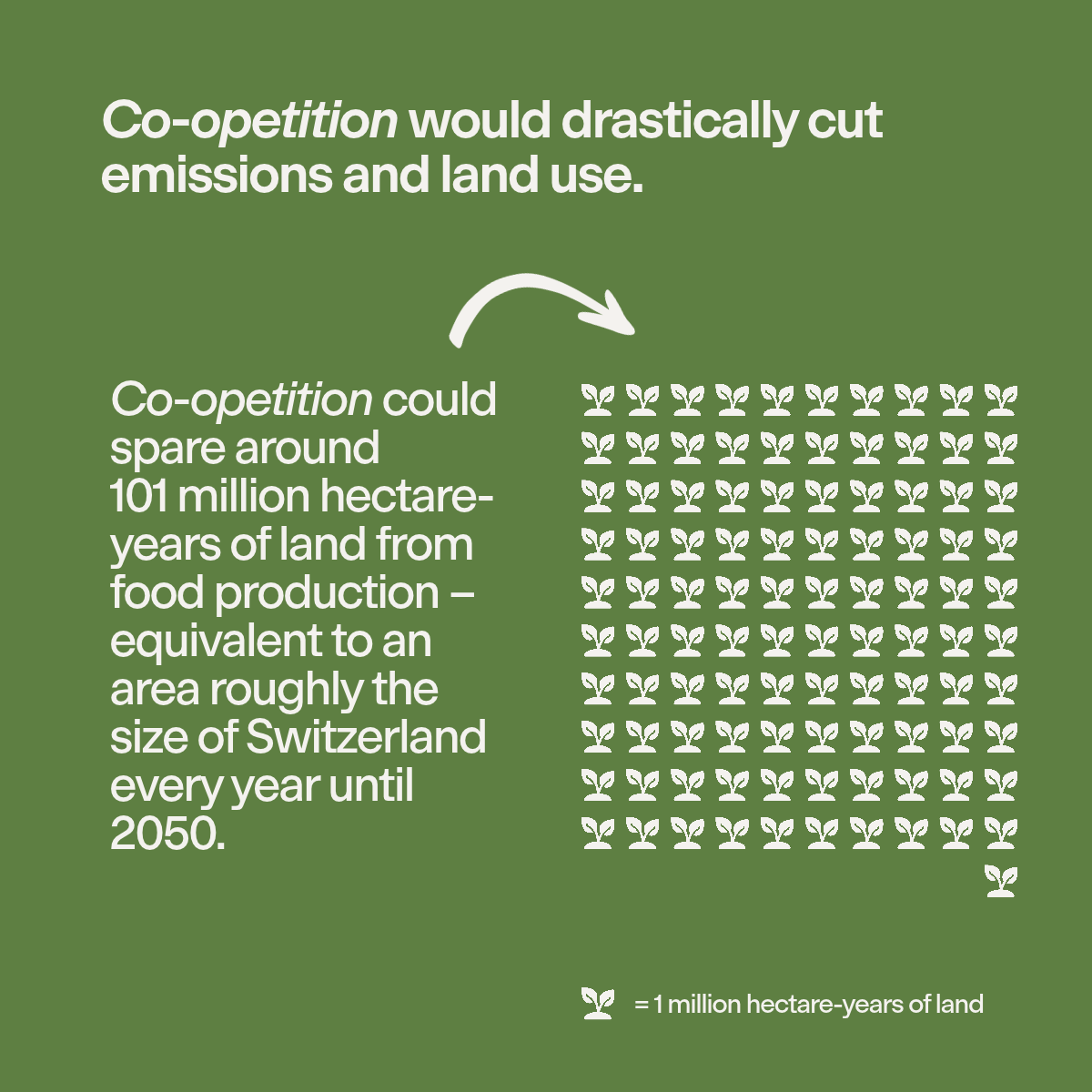
Impact: The earlier tipping point avoids a cumulative total of around 426 million tonnes of CO₂e by 2050, seven times the annual emissions of German agriculture. It also saves around 101 million hectare-years of land, equivalent on average to roughly the area of Switzerland every year until 2050.
Lever: The most important lever is ambitious, public interim targets based on a shared measurement standard. In the fastest scenario, plant-based shares reach around 38 per cent for protein sources and around 32 per cent for dairy alternatives by 2035. The report derives interim targets from these figures. Today, the shares average 14.5 and 6.2 per cent respectively.
Gaps: Price of own store brands is no longer a bottleneck. But perceived quality, shelf share and trial rate are.
For the leaders, the path is clear
The report recommends retailers take three steps to deliver a healthier, more affordable diet:
Track it: Measure protein splits using a shared, verifiable reporting standard.
Sync it: Set ambitious interim targets on the way to the Planetary Health Diet, starting with 2035 (≥ 38% plant-based protein sources, ≥ 32% plant-based dairy alternatives).
Win it: Compete on price, quality and choice – and make the healthy, sustainable choice the easy one.
Read the briefing in English or German.
AND read the full report here.