Zinnia Quirós
16
October
2026
The FAO’s World Food Day is a reminder that few things are as personal, yet at the same time political, as what we put on our plates.
Food is synonymous with health, culture, and the everyday pleasure of a home-cooked meal. But it’s also central to economics and the stability of our climate. The food system generates around one third of global greenhouse gas emissions. One third. Yet, while the climate impact of cars and planes is well understood, little is said about what we eat for breakfast, lunch and dinner.
The fact is: we all have the power to benefit our health and the climate by switching up our diets – especially if we choose to eat more plant-based protein.
This year’s World Food Day slogan seems like a nod to that power: “Innovate today. Nourish tomorrow.”
There’s no shortage of reasons to be excited about food innovations. Here at Madre Brava, we keep a close eye on the scientific advances in food, many of which once seemed like science fiction. Precision fermentation, for example, is making it possible to produce milk-like proteins without a cow. And cultivated meat is using animal cells to grow protein under controlled conditions. These are promising technologies.
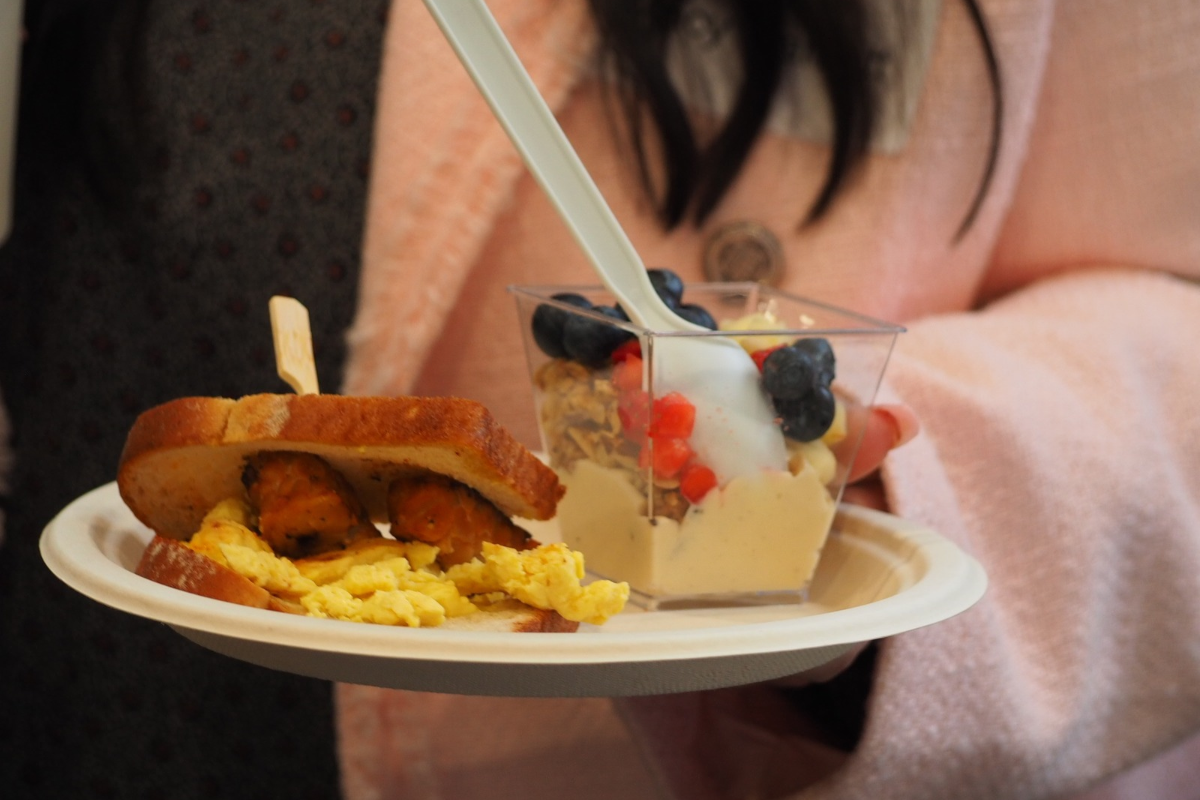
Indeed, a few weeks ago, my colleagues served cultivated salmon at the Breakfast of Tomorrow, an event we organised during New York Climate Week. Hearing them talk about the experience, I thought of another food with a big future – even if, at first glance, it doesn’t seem very futuristic: pulses.
What if we could nourish tomorrow by innovating the humble pulse today?
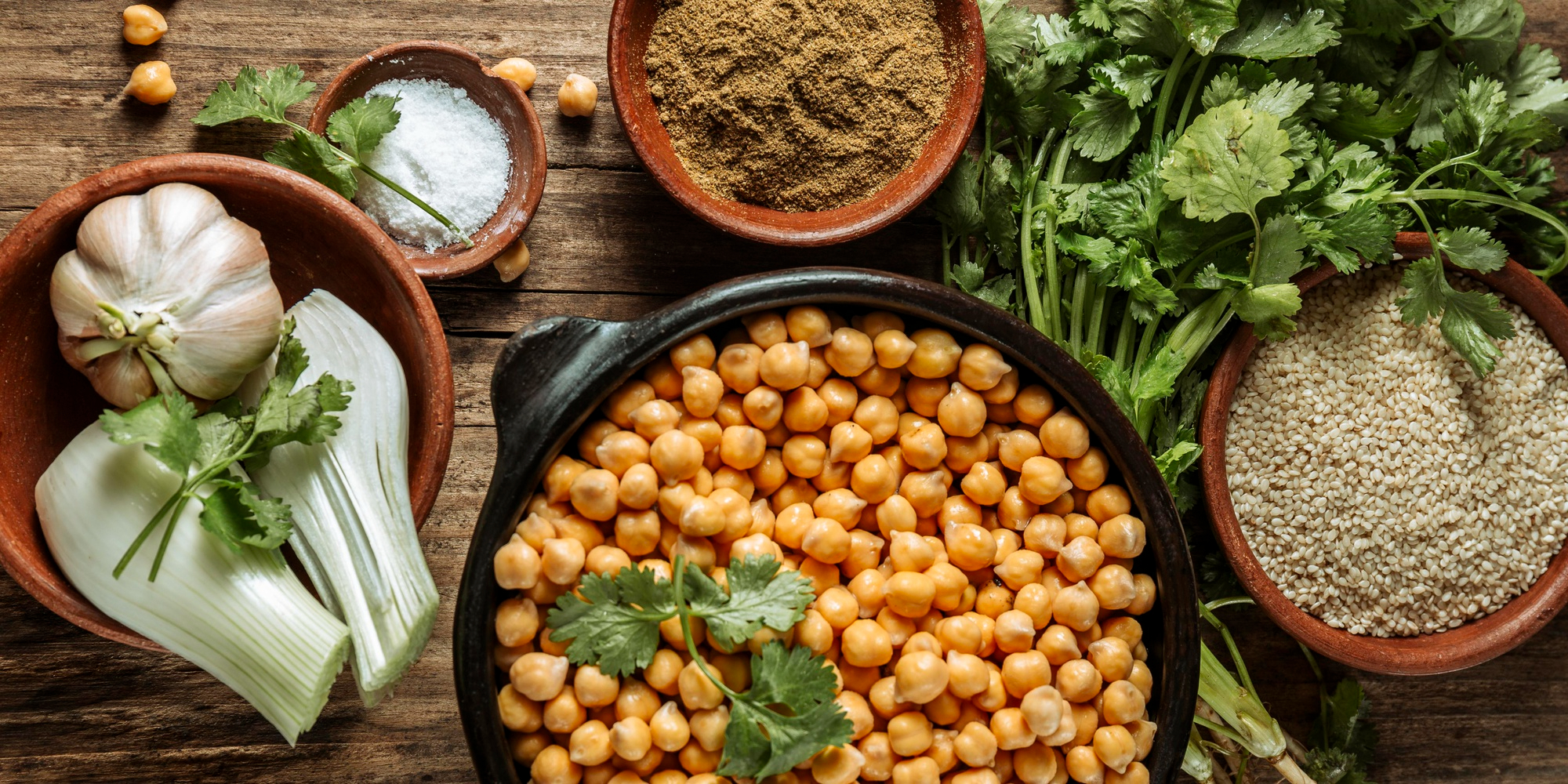
In Spain, chickpeas, beans and lentils have been in our kitchens for generations and are part of our culinary heritage. They provide protein, fibre and minerals; they’re versatile and affordable; they help improve our health and they generate fewer emissions than many other foods. Yet between 1981 and 2014, their consumption in Spain fell by more than 60%. Although that’s picked up in recent history, we’re still a long way from eating pulses at least four times a week, which is what the Spanish Agency for Food Safety and Nutrition recommends.
We have a brilliant solution right in front of us that we’re not making the most of.
When we talk to people who grow pulses, we find it isn’t as simple as it seems. For farmers, growing pulses takes knowledge, experience and a lot of hard work. On top of the usual difficulties come droughts, extreme rainfall, pests and diseases – all made worse by climate change. If we want more pulses on our plates, growing them needs to become more viable.
But we can’t do that if pulses are stuck in the past. That’s where innovation comes in. While we need more research and investment in farming, the good news is that progress is already being made. In Andalusia, researchers at IFAPA in Seville are studying lentil varieties that can better withstand drought, alongside water efficient growing techniques that reduce fertiliser use. In Madrid, ‘Isidra’ has been developed: a new chickpea variety that is more resistant to cold and to certain diseases, high in protein and easier to digest. Pulses already have an advantage: they draw nitrogen from the air and feed it into the soil, so many need little or no fertiliser. Innovation lets us go further, with crops that are more resilient, more nutritious and better adapted to climate change. To me, that seems just as revolutionary as fermentation and cultivation.
But innovation is of little use if those foods then don’t find their way to our plates – and that’s down to supermarkets. They influence which products we find, how much space they take up, how they’re promoted and how much they cost.
It’s time for retailers to back pulses, with more appealing plant-based options and formats that make our lives easier. Because eating better shouldn’t become an obstacle course when you have to make dinner for a family of five in twenty minutes.
Transforming our food system needs all of us: farmers, businesses, supermarkets, governments, the scientific community, organisations and consumers. We need to eat more plant protein, yes, but we also need a system that encourages and supports its production and gets it onto our tables in an accessible and affordable way.
I wonder what we’ll be eating in twenty years’ time. There will surely be solutions we can’t even imagine today. But I bet pulses will still be there. Because innovation goes far beyond inventing the foods of the future: it also means securing the future of the ones we already have.
World days are there to be celebrated. Today, I’ll be celebrating with a bowl of delicious pulses.