Sara Ayech
18
August
2026
Comedian Mo Gilligan’s investigative Netflix documentary, ‘Big Chicken: A Fast Food Conspiracy’, initially takes a well-trodden path. Mo commits to eating only fast food chicken for 28 days – emulating famous noughties doc ‘Supersize Me’, which first opened our eyes to the health risks of fast food.
Beyond the predictable decline of his health and mood, by eating wings and deep fried chicken sandwiches every day, Mo traces the history of fried chicken – from the way KFC appropriated the recipes of Black American chefs, to the treatment of factory workers. In doing so, he uncovers some of the biggest problems in the industry. Here are five things that really struck me:
- Most people love fried chicken, despite its impact on health and animal welfare.
That’s how Mo feels at the beginning of the documentary, making him the ideal person to present it. But the more he sees, the less he can ‘unsee’, which shifts his perspective. While, by the end, Mo says he won’t stop eating chicken entirely, he acknowledges the grim realities of factory farming and wants change.
- Public perception matters to factory farmers.
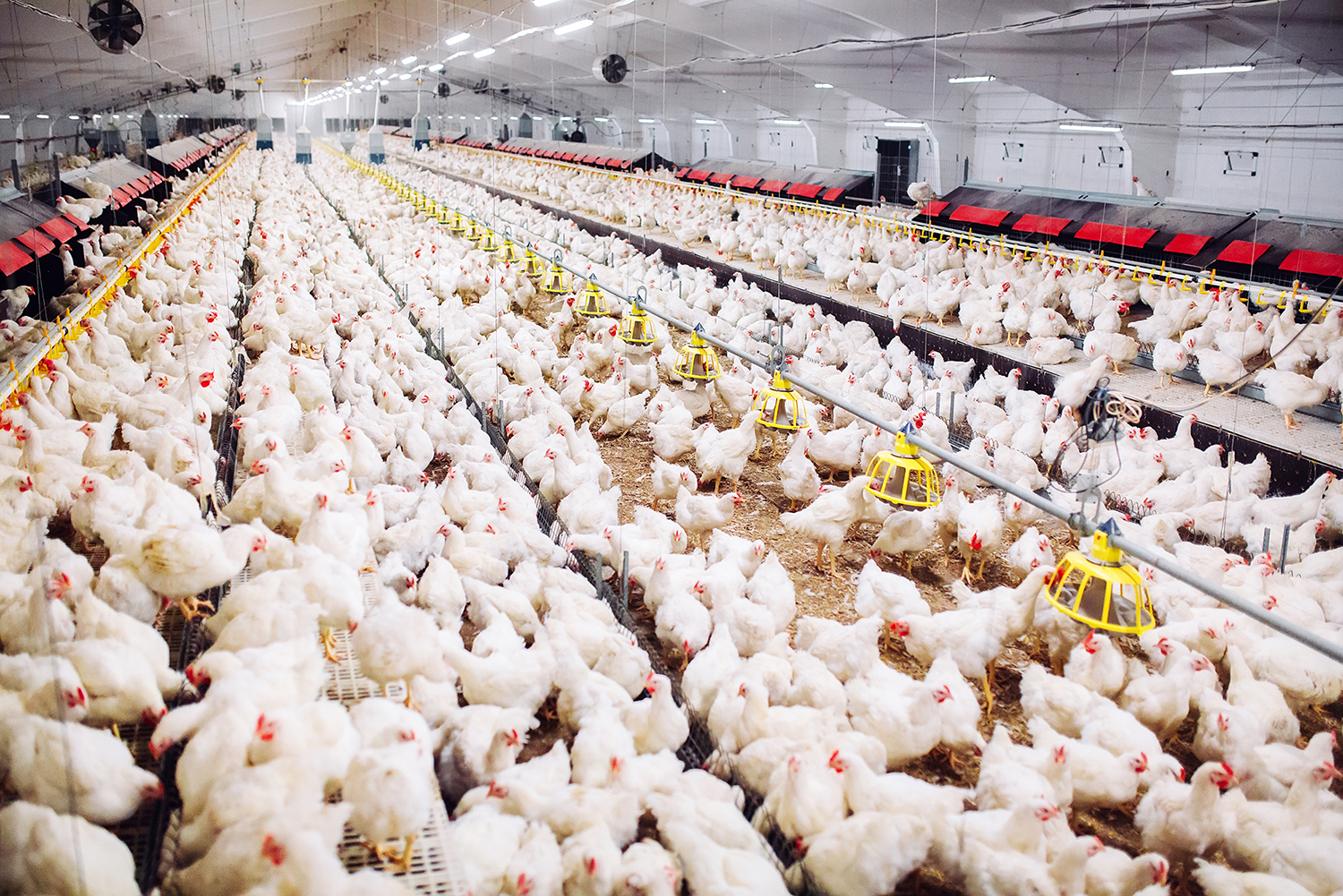
A representative from the UK Poultry Council wanted to be filmed on Hackney City farm with cute petting goats wandering around. This was obviously because it looks far closer to most people’s pastoral ideal of animal farming than the horrifying reality of animal factory farms – as exposed later in the doc via undercover activist footage. My daughter described them as “not really chickens, just walking meat”.
- Chicken is often presented as a super healthy, lean protein.
It's supposedly the magic ingredient for anyone seeking wellness, weight loss and muscle gain. Yet seeing the state of the chickens in the factory farm, their lack of feathers, their sores, and learning that 95% of chicken is produced in this way (not to mention the fact they’re given constant antibiotics to stop infections passing through the entire factory), made me wonder how healthy it really is.
- There’s a real disconnect between the environmental impact of factory farming and the food we eat.
Most people care about river pollution and deforestation. Yet few know that the run-off from chicken farms pollutes local waterways and the soy grown to feed them drives deforestation in the Amazon. The film highlights that most UK chicken is produced by just three companies, with every supermarket and fast food restaurant buying from them. They can and should force changes.
- The film doesn’t suggest solutions, but that doesn’t mean they don’t exist.
What’s made crystal clear is that we cannot keep eating nearly one billion chickens a year without resorting to many of the practices seen in the film: terrible worker treatment, environmental destruction, fast-growing ‘Frankenchickens’ that can barely stand. The only way to change this is by eating less chicken and demanding it be produced in line with the ‘Better Chicken’ commitment – which many fast food outlets pulled out of this year. Supermarkets and food brands can help with the ‘less’ part by producing and promoting tasty, convenient alternatives, including plant-based chicken, alongside other healthy plant proteins like beans, pulses and tofu. Many of these are just as high in protein, can benefit our health and are now cheaper than meat. Plus, we won’t have to close our eyes to avoid seeing how they’re produced.
Hopefully, anyone who watches Big Chicken will go on the same journey Mo did: seeing things they can’t unsee and choosing to do something about it. Whether that’s eating less meat or demanding change from the fast food outlets and supermarkets that enable animal factory farming (or both!) one thing’s clear: big chicken needs to change.
At Madre Brava, we’re calling on supermarkets to support healthy, sustainable diets by following the five measures laid out in our new study – measures which, if properly implemented, are the most cost effective way for retailers to hit their climate targets. Find out more here.