19
June
2026
A new study by global sustainability consultancy Eunomia for Madre Brava shows UK supermarkets the most cost effective way to hit their climate targets is by selling a higher proportion of plant-based proteins.
The report looks at the three main levers food retailers have at their disposal to meet their climate targets: selling a greater proportion of plant-proteins, tackling food loss and waste, and supporting sustainable agricultural practices.
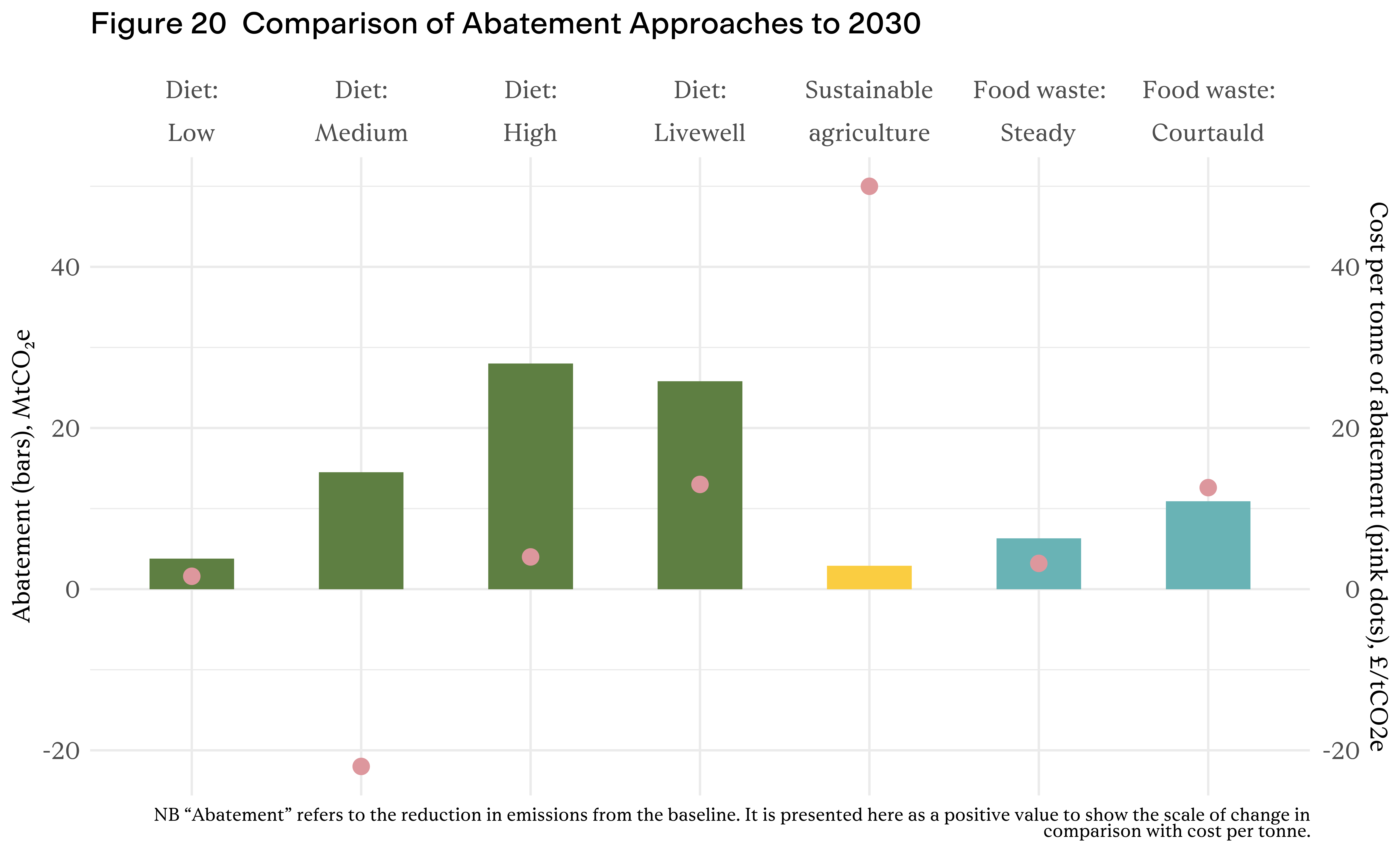
The analysis reveals that a ‘medium’ shift towards plant-based proteins could actually save retailers money, compared to the other diet shifts modelled. This would involve rebalancing protein so plant-based sources would account for 29% of protein foods sold, and upping the plant-based share of dairy to 32%.
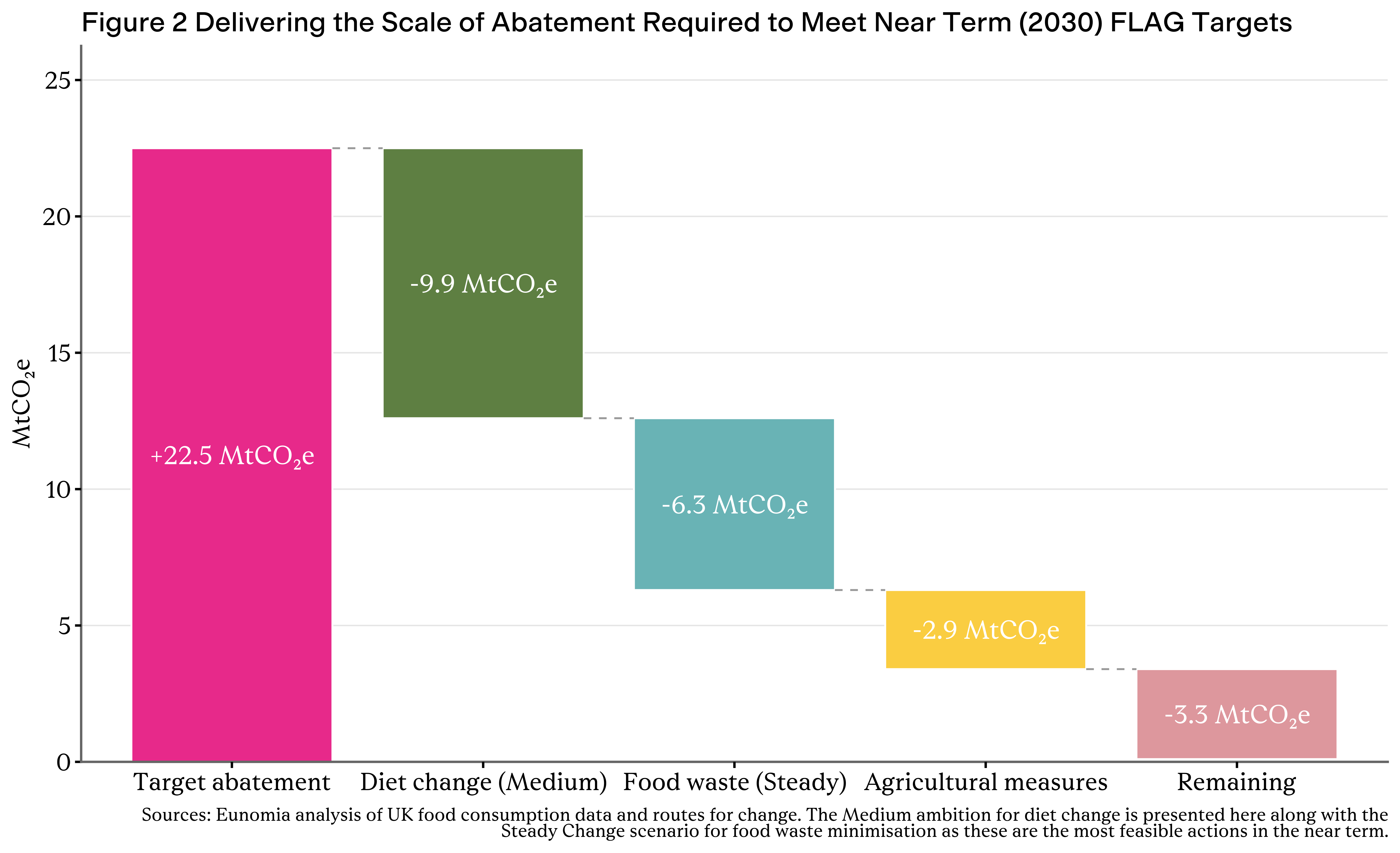
This ‘medium’ shift would deliver the Climate Change Committee’s dietary shift, and in a shorter time frame, but it does not meet the more ambitious Planetary Health Diet. Even so, it would achieve almost two-thirds (64%) of retailers’ supply chain emissions reductions targets by 2030.
Supermarket emissions and animal protein
Over 90% of UK supermarkets’ emissions come from the products they sell. These are classified as scope 3 emissions. Forestry, Land, and Agriculture (FLAG) emissions make up 84% of food retailers' total scope 3 emissions. This analysis shows animal proteins (all meat, dairy, cheese, fish and eggs) account for roughly three quarters of the Scope 3 FLAG emissions of UK food consumption.
The ‘medium’ dietary shift alone could cut 14.5 million tonnes of CO2e in FLAG emissions per year by 2030 from the supply chain as a sector - more than the annual road transportation emissions from six of the biggest UK cities (London, Manchester, Leeds, Birmingham, Glasgow and Nottingham). Combining it with farm-level improvements and food waste reduction would achieve all but 3.3MtCO2e (or 15%) of the required drop in emissions by 2030.
Sara Ayech, Madre Brava’s UK Director, said: “Supermarkets have made some inroads on climate, with things like transport and electricity in stores. But when it comes to food - by far the biggest source of emissions - they’re struggling.
“This new research gives them a cheat sheet on how to hit their climate targets. It will be impossible to do without selling a bigger proportion of healthy protein like beans, pulses, veg and plant-based meat. Supermarkets need to make this the most affordable and convenient choice.
“It’s also a win for their customers, who can hedge against food inflation by buying more healthy protein like tofu, beans and lentils. As the price of meat has skyrocketed in recent years, plant proteins have become even cheaper in comparison."
Shift to lower carbon diet could save retailers money
Star Molteno, Principal Consultant at Eunomia, said: “The analysis shows that shifting consumption to lower carbon diets is essential. More interestingly, the research shows this does not imply a cost burden to retailers, but could potentially save money which is vital at a time when cost of living is of utmost concern and supply chains are under pressure. While reducing food waste and improving agricultural practices remain important, they won’t be enough on their own to meet short-term targets.”
Tesco has committed to an ambitious 39.4% reduction in FLAG emissions by 2032. Relying on farm-level agricultural improvements in the UK will only achieve 13% of the 2030 target, and will require significant investment. Many supermarkets are relying on their producers to adopt greener practices, but by 2030 this is likely to deliver only a small proportion of the cuts needed and could require roughly £150 million in capital investment from retailers.
While important for the long term, farm-level changes are too slow, too small, and too expensive to hit near-term targets compared to changing the product mix on the shelves.
Currently, only 9% of Tesco's protein-rich food sales are plant based. The supermarket recently dropped a commitment to increase plant based meat alternatives by 300% by 2030, but has reported an increase in sales of some plant proteins, including plant-based mince and tofu.
Tesco's non-animal dairy alternatives also sit at just 7% of dairy product sales. This reveals a gap between current incremental efforts and the systemic change required, meaning that accelerating the transition away from conventional protein sales is the largest untapped climate and commercial opportunity.
In contrast, Lidl announced in September last year that it had increased own-brand meat-free and plant-based milk sales by almost 700%, smashing its 400% target.
How to hit climate targets
The report recommends five measures to hit climate targets:
- Set a protein shift target that embeds protein diversification as a central climate strategy which also delivers on health goals;
- Improve transparency by reporting data on protein sales by product groups;
- Advocate collectively for policy reform that supports sustainable diets and supply-chain transformation;
- Support sector wide initiatives to minimise food waste across the value chain;
- Deepen supplier partnerships to scale regenerative agricultural approaches.