2
September
2026
A new report by research consultancy Profundo reveals an alternative business model for Thailand’s big meat producers which would see them increase profits while making a significant contribution to the country’s emissions and land use reduction targets.
The report, A protein transition for Thai meat producers - A win-win for Thailand’s climate goals and the companies’ net profits and value, demonstrates the effects of shifting different proportions of protein production from chicken and pork to a mixture of pulses, tofu, fermentation and mycoprotein-based products.
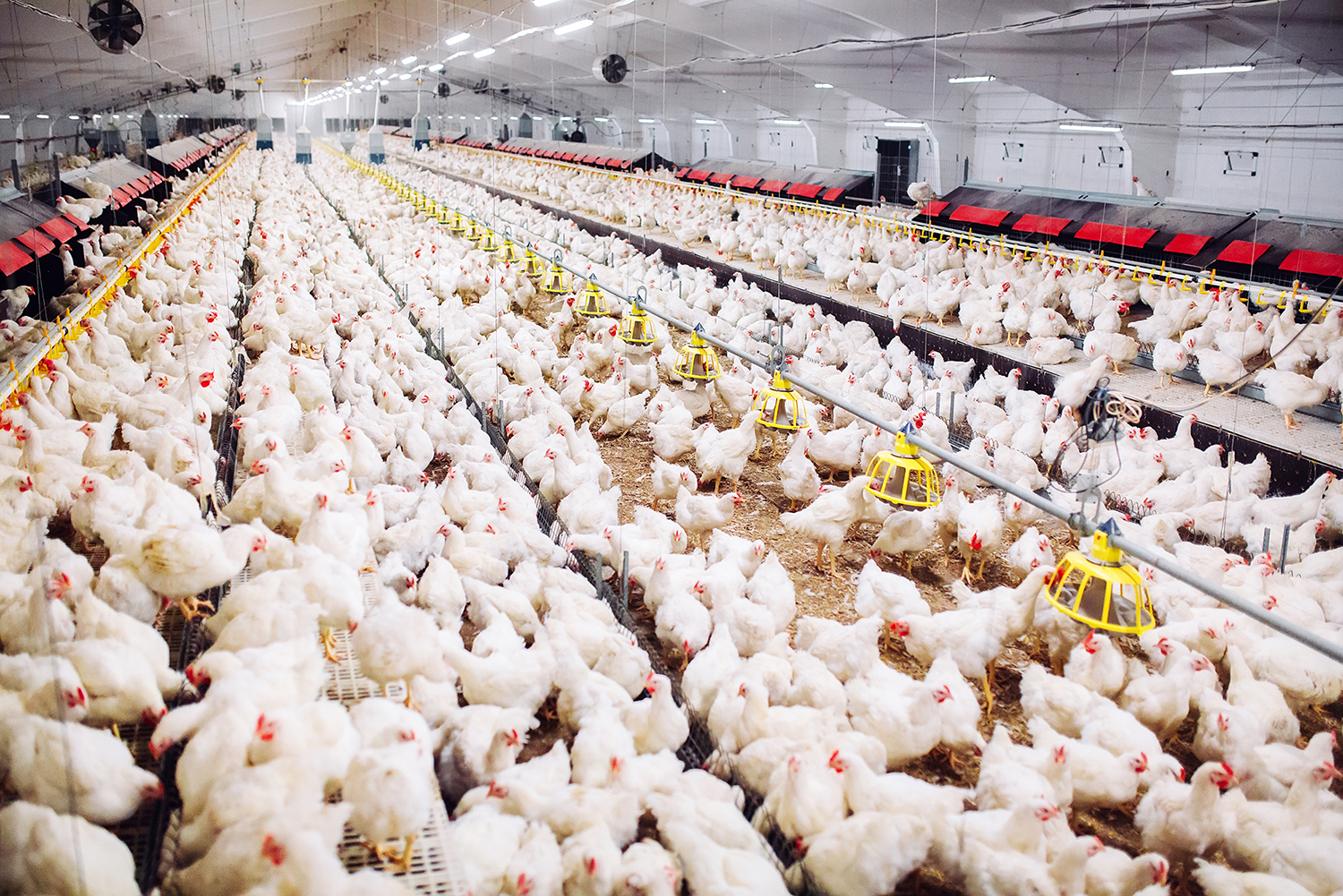
The companies, Charoen Pokphand Foods (CPF), Betagro, Saha Farms, and Cargill Meats TH, produce the bulk of meat in the country: 52% of Thailand’s chicken meat and 68% of its pork in 2023.
Researchers modelled three scenarios with replacements of animal with plant protein at 30%, 50% and 100% by 2050.
Their modelling showed a switch to plant-based products would produce half the CO2e emissions on two-thirds of the land required for chicken.
For pork the findings were even more stark: CO2e emissions would drop by more than five times and the amount of land used would halve.
Keeping the overall amount of protein that the companies currently deliver constant, in the 30%, 50% and 100% transition to plants scenarios, the companies’ CO2e emissions would reduce by 22%, 36% and 73% by 2050, respectively, according to the research.

Good for Thailand
The drop would mean their share of Thailand’s overall emissions would fall from 2.5% to 1.9%, 1.6% and 0.7%, respectively.
And, with Thailand’s national forest policy aiming for at least 40% of territory as forest area, the findings researchers made regarding land use were equally encouraging, with reductions of 14%, 23% and 46%, respectively.
Land use (including for Brazilian soy to feed livestock) would decline from 3.0% (2.5% in Thailand, 0.5% foreign soy), to 2.6%, 2.3% and 1.6%, respectively. The reduction in land area in the 100% scenario by 2050 is 8,375 km2 - that’s almost the size of Corsica.
Good for business
The report also found that this move would be good for business, with a 15%, 29%, or 65% increase in net profits after tax (for the 30%, 50%, and 100% protein transition scenarios) compared with a 6% loss if they stuck with just animal-based production. And researchers noted the positive impact on reputation and ESG rating could further enhance the value of the companies.
The report provides a vision of a more profitable, sustainable future for Thailand’s hugely important food production companies. With climate change pushing up the cost of meat production, it should provide food for thought for those companies, as well as policy-makers and advocates in Thailand.