3
December
2025
A new Madre Brava briefing has revealed the wide and growing gap between meat and plant protein prices in the UK.
Meat's affordability crisis - The price gap with plant proteins is widening by the year, compiled with data from Euromonitor, shows meat prices rising more sharply than plant proteins in recent years.
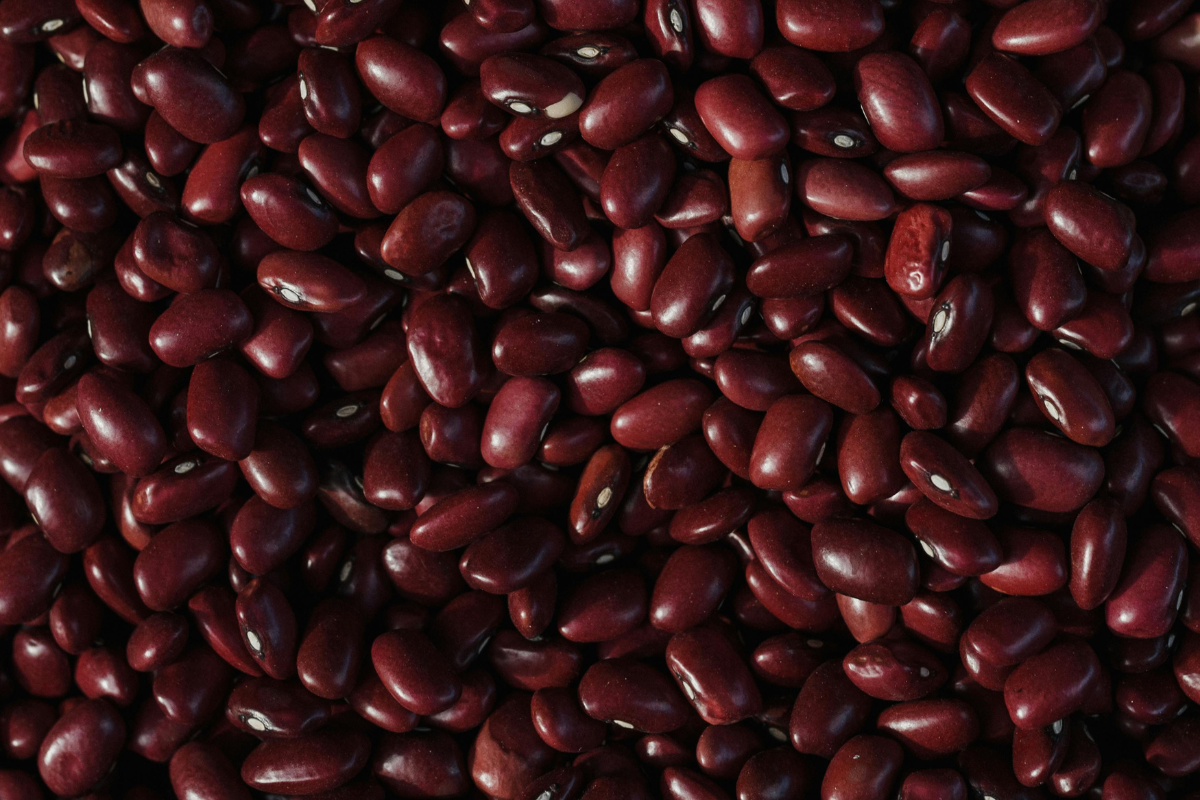
Most notably, the price gap between shelf stable beans and beef has increased from £6.78 in 2020 to £10.54 per kg in 2025, while the gap between fresh pulses and beef has widened from £5.64 to £9.44 per kg in the same period.
.png)
The new figures are particularly striking as the cost of living in the UK stays stubbornly high. The increasing ‘meat to beans’ gap is making plant-based or hybrid meals an appealing choice for supermarket shoppers - and we are seeing this in the data, with a reduction in the volume of retail sales of fresh and processed meat in 2025 in favour of beans.
Our UK Director, Sara Ayech, said:
"Meat is fast becoming unaffordable in the quantities we consume it in. For hard pressed UK families, this new data suggests more plant proteins in the trolley could be a way to bring down the grocery bill, while still getting protein, and more fibre and less fat to boot.
"Meat is not just more expensive than plant-based proteins overall, but, crucially, the gap is widening. Climate change is increasingly affecting things like the price of feed for livestock and the spread of disease, so the causes of meat price rises aren’t going away, and this gap could get wider still.
"The gap is widest between beans and pulses on the one hand and meat on the other, but this isn’t just about beans and pulses. We found that when it comes to convenience food, plant-based is now price competitive. For example, when we checked, two-pack plant-based versions of chicken Kyivs were cheaper than the chicken versions in almost all supermarkets, including Tesco and Aldi.
"Supermarkets can respond to these price trends to help shoppers buy affordable, sustainable food, by setting targets to rebalance the proportion of animal and plant-based protein that they sell."
Read the full briefing.
Read the piece in the Times featuring our briefing.